International Conference & Forum

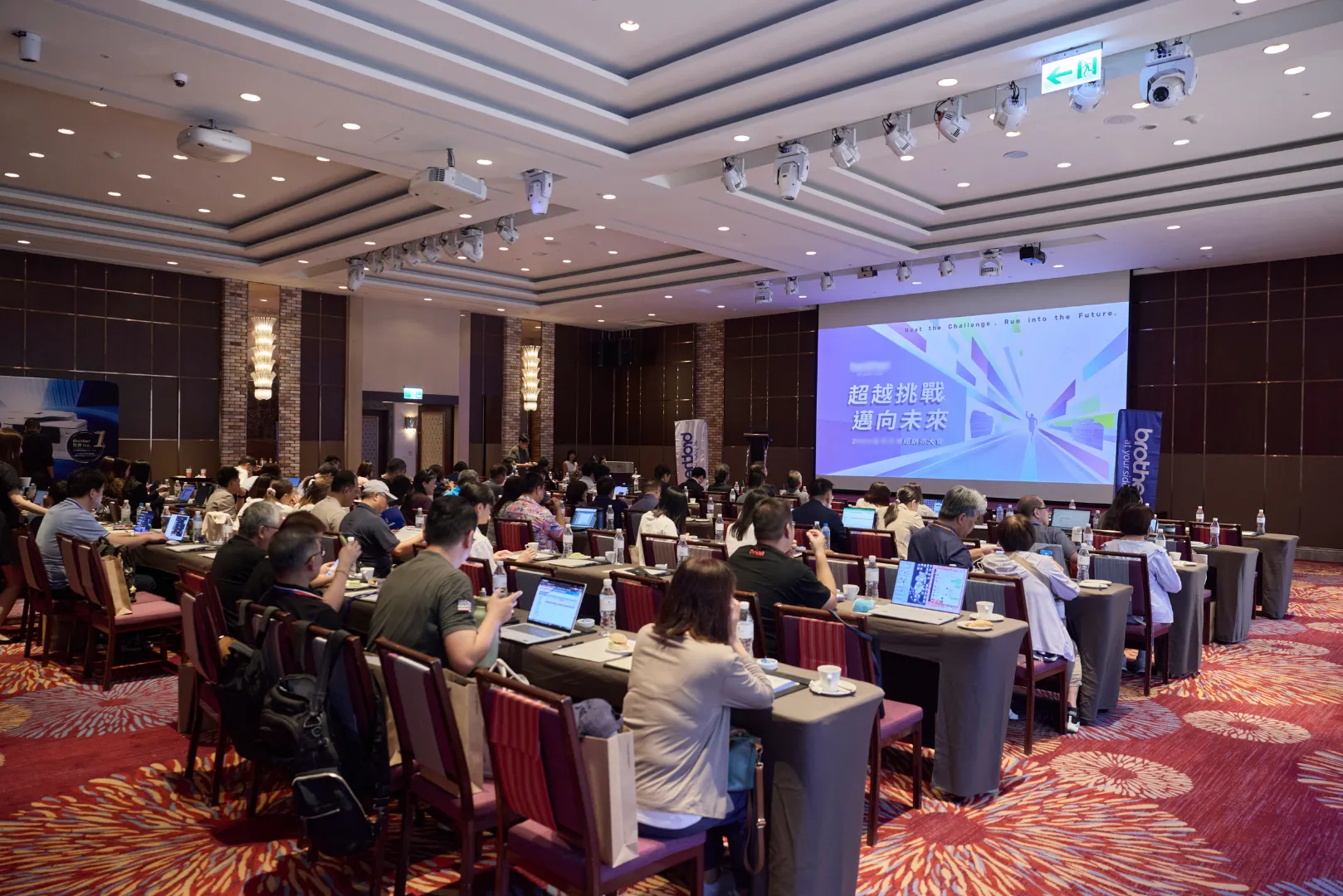
The hard part of an international conference is rarely getting the speakers to show up. What decides the outcome is everything that never appears on the agenda: whether the venue's power supply can carry the rig, whether a thirty-minute coffee break is enough for two hundred people to be served, whether the smallest line on a slide is still legible from the back row. What follows is what we have learned from running these events — and what we work through on your behalf before you ever have to ask.

Venue: capacity first, looks second

Most people choose a venue from photographs. We start with the questions photographs never answer: can the power supply carry lighting, audio and interpretation equipment at the same time; how large a truss will fit in the service lift; is the network a dedicated event line or shared with hotel guests; is there a green room and a media area that can be access-controlled. Get these wrong and the most beautiful room in the city becomes a problem on the day. We walk the site with you and put the constraints in writing before anything is signed, so you know what is possible and what will cost extra — rather than discovering it during load-in.

Catering: the coffee break is part of the run of show

Catering is usually treated as a line item. In practice it governs the pace of the whole day. Give two hundred people a single service point at a thirty-minute break and fifteen of those minutes go to queueing — the next session starts late, and never recovers. We set the number and position of service points from the headcount and the room's circulation, and we build the break into the agenda rather than squeezing it between sessions. A luncheon or dinner adds menus, dietary and religious requirements, seating plans and service timing: if courses are not aligned with the speeches and awards, your host ends up on stage waiting for the food.

Stage and screens: the size is calculated, not guessed

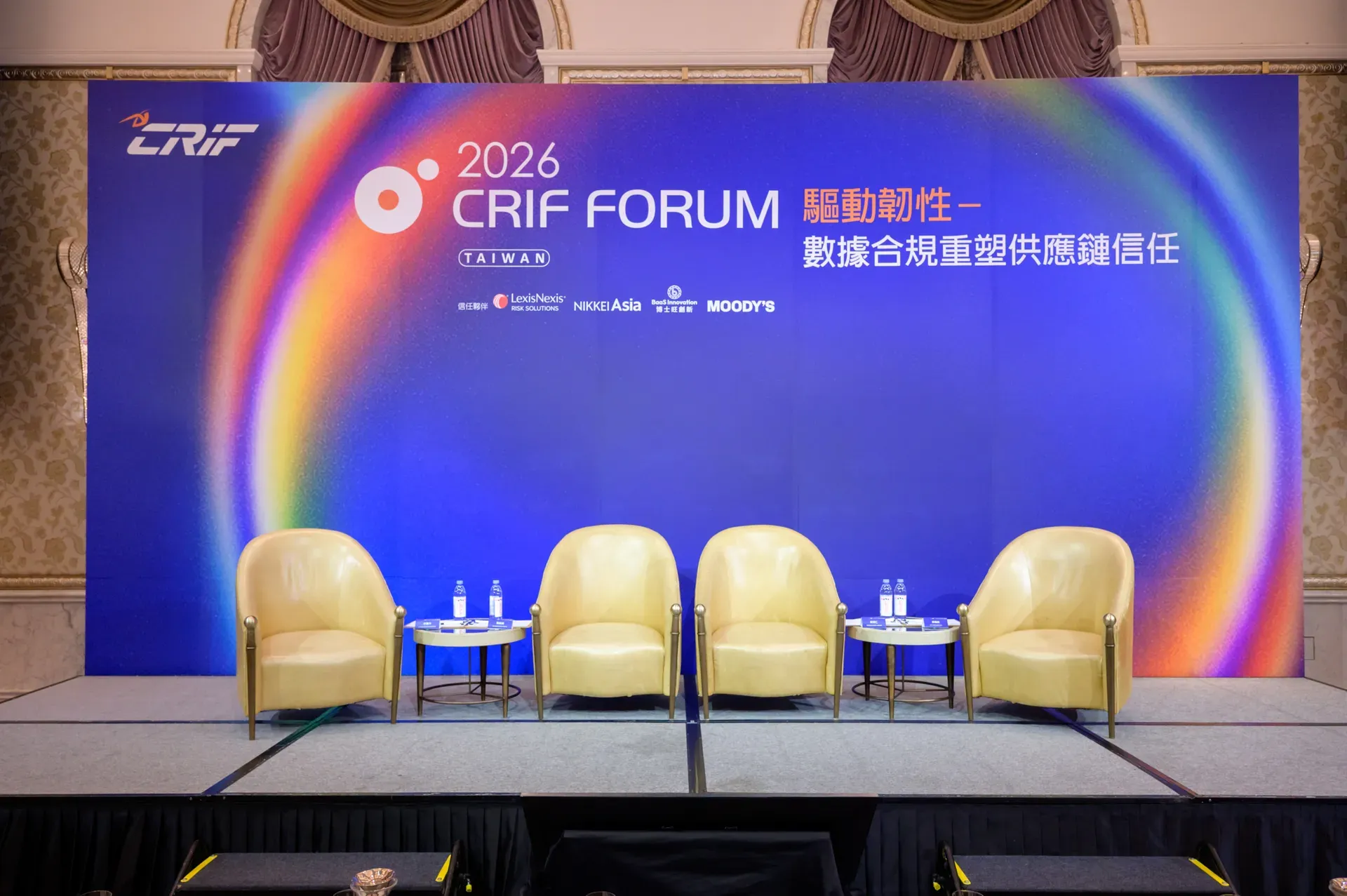
Stage and LED dimensions are not a matter of taste. We work backwards from the room's depth, the number of seating rows and the sightline from the last one, to establish the minimum screen size at which the smallest line on a slide is still readable. Stage height has to satisfy both the back row and the camera angles. The backdrop proportions matter too: whether the logo disappears behind the speaker once they take their position is the single most common last-minute fix at rehearsal, and it is far cheaper to design out beforehand.

Audio and AV: the most overlooked, the most damaging

Sound is harder than light. High banquet halls ring; wireless microphone channels collide with whatever else the hotel is hosting that day; a speaker's own laptop does not always handshake with the house system on the first try. So we test on site in advance, hold backup channels and spare signal paths, and require every deck to be collected and tested together before rehearsal. Where simultaneous interpretation, recording or livestreaming are involved, equipment positions and audio routing are planned during the site visit — not improvised on the day.

Hosting and run of show: making the schedule survive the day

A conference host does more than read a script. They have to reclaim the room when a speaker runs over, move between Chinese and English without friction, and get every name and title right. We recommend hosts based on the language and character of the event, run through the script with them in advance, confirm pronunciations, and build the run of show with you down to the minute. On the day a dedicated timekeeper holds the schedule, so delays stay recoverable instead of accumulating until the closing session gets cut.

Registration and guest flow: the first three minutes

Delegates form their opinion of a conference in the three minutes it takes to register. We separate the flows by headcount — general attendees, speakers, media and VIPs each take a different route, so a minister is never standing in a queue. Digital check-in keeps the wait short and gives you a live headcount as people arrive. Name badges, table cards and wayfinding are all in position the day before, so nobody spends the morning holding a delegate pack and looking for a sign.

View portfolio

Contact us